Jerry Qiao
Paulina Kolata
EASTD 112
8 May 2026
Project Three: Space Essay
Museum exhibitions of Buddhist spaces are often described as acts of preservation: lighting calibrated to historical context, surfaces conserved against decay, and tradition named through labels. This framing of curatorial work as preservation overlooks a dimension of Buddhist material life that no curatorial care can install: the daily devotional return that sustains the object's responsiveness. The MFA Boston's 2024 renovation of its Japanese Buddhist Temple Room is a case where the museum reached for the maximum translation an institution can attempt: a worship hall built as a room you enter, a touchscreen installed at the threshold, and a consecration ritual brought from Miidera in May 2024 (MFA 2024). Each decision claims a different sensory register: architectural atmosphere, conservation-grade interior access, and ritual consecration; together, they reach the edge of what museum translation can perform. At the entrance to Gallery 279, the touchscreen glows; inside the room itself, lanterns flicker across dark columns adapted from an eighth-century Hōryūji monastic complex; the figures sit on a low platform, my footsteps registering against the ambient hush. The 2024 renovation of the MFA Boston's Japanese Buddhist Temple Room translates Buddhist material practice into ever more sensory channels; the one labor the museum cannot translate, the ongoing devotional return that Williams-Oerberg identifies as connectionwork, is not a curatorial failure but the precise gap that reveals the structure of lived Buddhism: a practice sustained not by what is built for it but by the bodies that return to it.
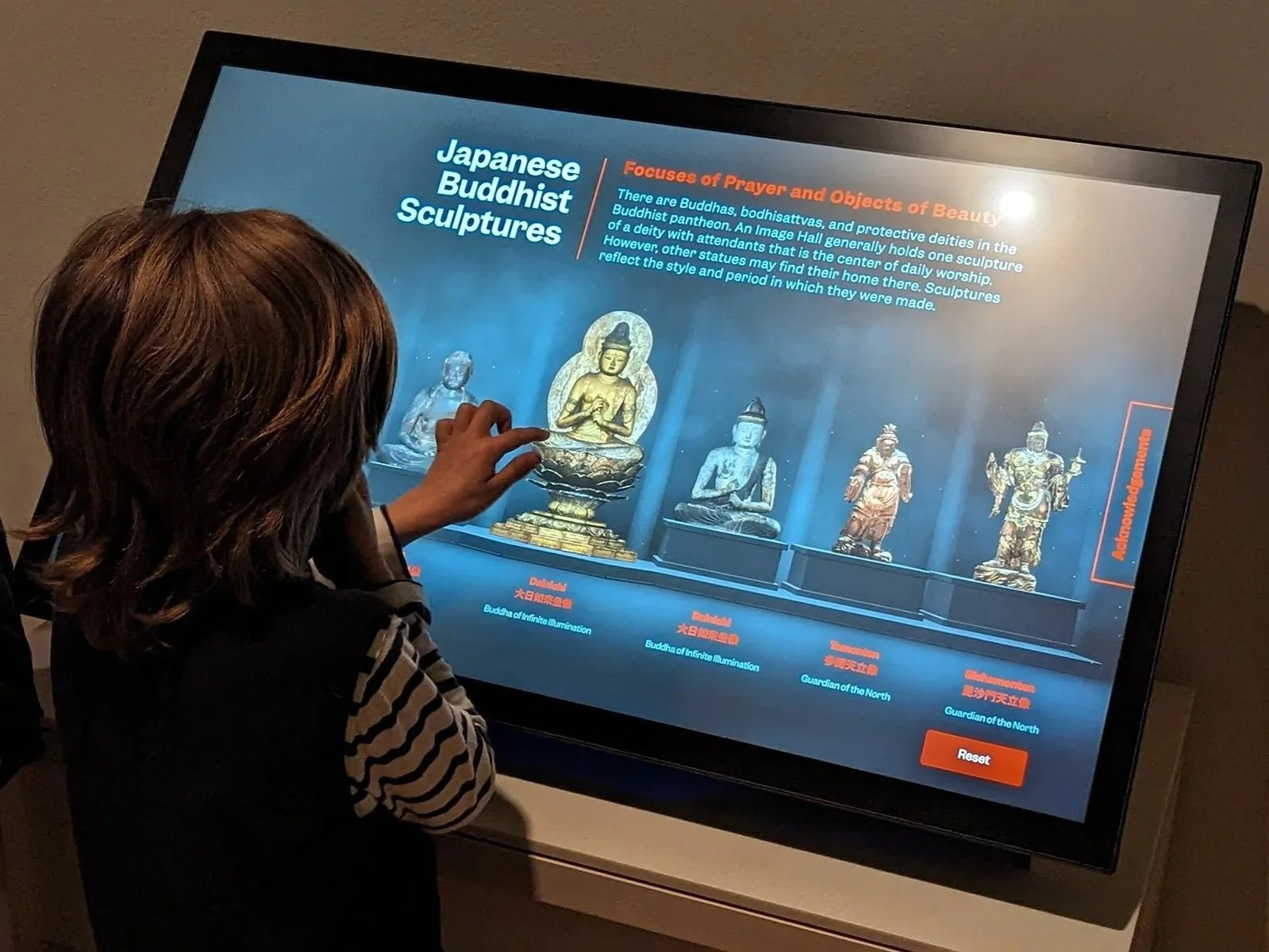
Figure 1. The Interactive Touchscreen at the Threshold.
Source: Ideum Interactive Touch Screen. Link.
The 3D-media touchscreen offers visitors photogrammetric facsimiles of the seven figures inside, with conservation findings embedded as hot spots and including endoscopic photography of the figure interiors. The visitor encounters the renovation’s digital translation of the figures before encountering the figures themselves.
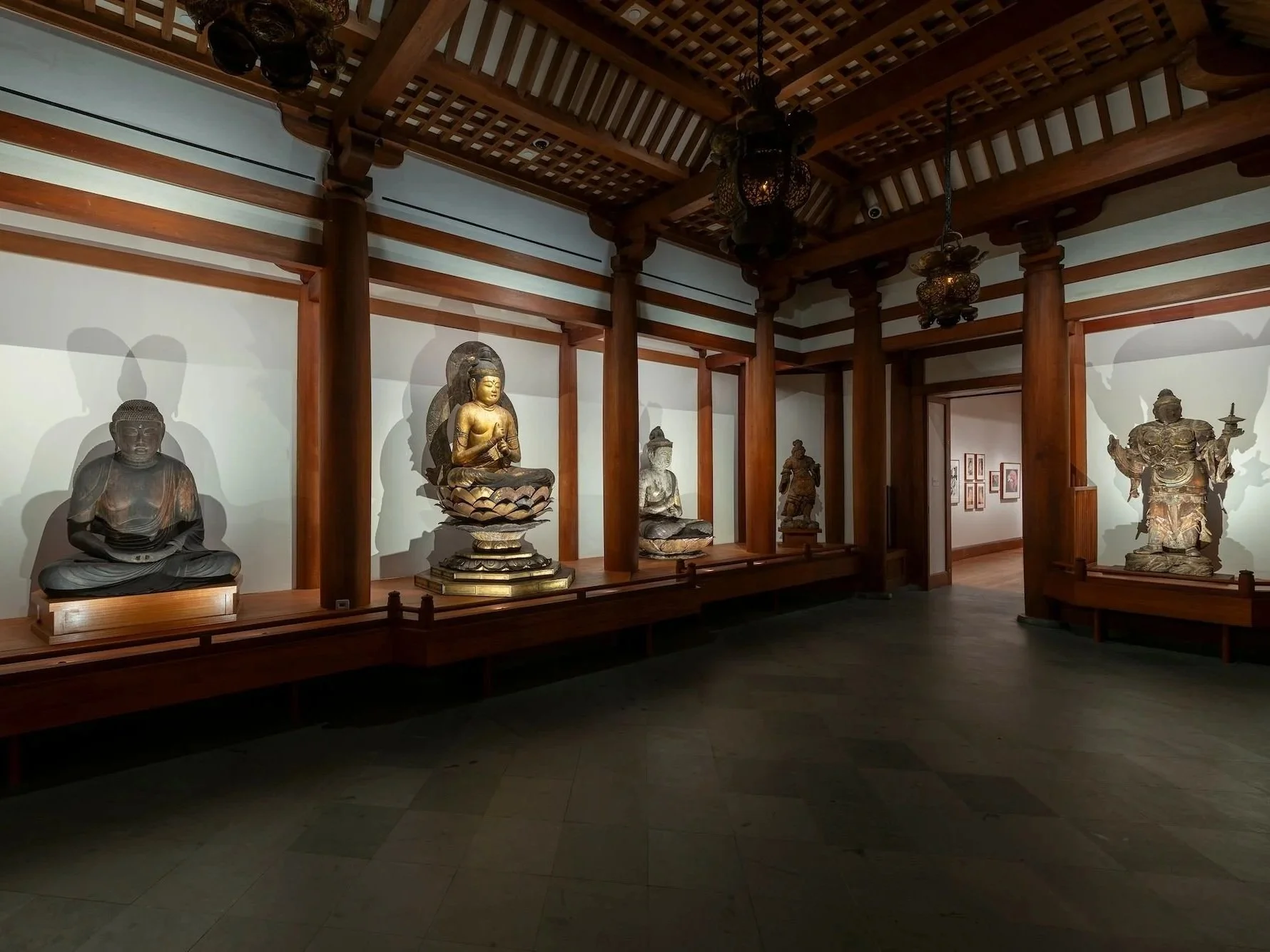
Figure 2. Japanese Buddhist Temple Room, Gallery 279, MFA Boston.
Source: The Art Newspaper. Link.
The open-work lanterns cast a flicker across dark wooden columns adapted from an 8th-century Hōryūji monastic complex; seven Heian and Kamakura period sculptures sit on a low, gently lit platform. The room is an architectural translation of a worship hall, installed with sincerity and designed according to museum traffic and curatorial vision.
The temple room arrives in the body before it arrives in interpretation. Standing at the room's edge (Figure 2), I notice a slowing of pace I did not perform deliberately; the lantern's flicker draws my attention before I have decided to attend to it. Stewart defines this type of charged sensory field as “atmospheric attunement,” a process of what Heidegger called "worlding," in which forces gather as moods and rhythms and "pull the senses into alert" before observation organizes them (Stewart 2011, 445). This slowing of pace is the room's tempo, registered in the body before cognition organizes it; the renovation's most concentrated investment is present here. Suzuki's account of the Daihōzō-in (Treasure Repository) at Hōryūji, opened in 1998, describes a temple complex investing maximally in worship-hall simulation while routing visitors through museum traffic: faux post-and-beam structures replicate the inner space of a worship hall, and a donation box sits at the foot of the offering table (Suzuki 2007, 138–139). The MFA Temple Room performs the same gesture: timber columns adapted from an eighth-century Hōryūji monastery, a low platform, lantern lighting, and a path that leads visitors past the figures rather than toward them. The MFA followed the Daihōzō-in template directly: similar architectural decisions were made for the same institutional reason and executed at a similar scale. This parallel shows the MFA's installation modeled on the most ambitious museum-as-temple precedent in the field, not on a generic temple feel.
The atmosphere produced by the temple room, however, is bounded by the institution producing it. Alpers describes the museum effect as the way museums turn objects into works of art through framing, isolation, and decontextualization, regardless of how sincerely the surrounding atmosphere has been built (Alpers 1991, 26). Suzuki notes that even at the Daihōzō-in's central gallery, the museum effect is perpetuated for visitors because the building's circulation pattern routes them past the central icon as a peripheral experience (Suzuki 2007, 140). The temple room exhibits the same pattern: the worship-hall atmosphere is sincere, but the attention it cultivates is aesthetic, not devotional. The renovation's first translation is thus from a devotional encounter to aesthetic apprehension.
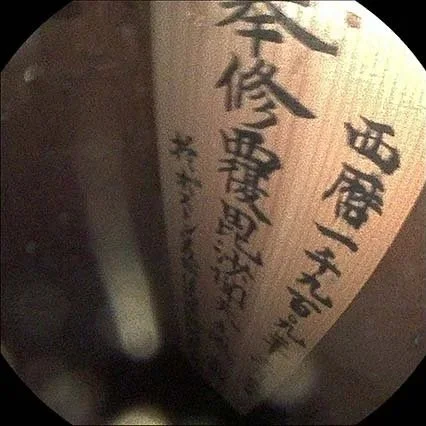
Figure 3. Endoscope Image of the Votive Plaque Inside Bishamonten.
Source: MFA Boston. Link.
Endoscopic photograph taken during the MFA Boston Conservation in Action project in December 2019. The surgeon's camera reaches an inscription added in 1909-1910 to document Niiro Chūnosuke's restoration of the figure, accessible only through a slight gap between the head and the shoulder; this process makes a sealed religious inscription visible, turning what was once hidden inside the figure into information any visitor can study.
The renovation's second translation operates through the touchscreen at the threshold, which offers three-dimensional photogrammetric scans of all seven figures (Figure 1). Conservation findings are embedded in the scans as hot spots, including endoscopic photography of figure interiors from the 2019 Conservation in Action project. The touchscreen interface offers four moves: tap a figure, zoom into its surface, rotate the body, and open a hot spot. The visitors I observed reached for the touchscreen before crossing into the room, lingering for minutes and handling the figures as if playing a video game before encountering them as figures. By the time visitors enter the room, the figures have already been introduced as scans; the touchscreen has done the framing work first. The renovation's most ambitious translation applies a medical-imaging logic to a Buddhist figure: zoom into the body, slice through the surface, and lift the hidden into the visible plane. This logic does not replace surface viewing; it introduces the figures' interiors as objects of attention before visitors have seen the figures in physical form.
The touchscreen renders visible two religious materials sealed inside the figures. A sutra scroll inscribed by Kaikei in 1189, originally enshrined inside the Boston Miroku, appears in the MFA's collection database as no. 28593; the Bishamonten interior was opened endoscopically in 2019, revealing a votive plaque added in 1909–1910 to document Niiro Chūnosuke's restoration (Figure 3). Irwin names such materials unseeable aggregates: items installed inside Buddhist figures during construction or restoration whose religious efficacy depends on remaining unseen (Irwin 2022, 68). Rambelli argues that concealment generates cult value in the Japanese hibutsu tradition of secret Buddhas displayed only on rare occasions, with the icon's materiality given over to the spiritual realm of the buddhas (Rambelli 2002, 271). The touchscreen inverts the religious logic that protected these materials: items that worked because they were sealed from view become, on screen, the basis of curatorial value.
The touchscreen pushes the museum's organizing labor to its institutional limit. Williams-Oerberg defined connectionwork through fieldwork at the 2016 Naropa festival in Ladakh, naming the labor of forging religious belonging; the term distinguishes an organizing side carried by institutions from a receiving side sustained through drelwa, or karmic connection (Williams-Oerberg 2021, 499–501). The renovation has invested in the organizing side as far as institutional resources allow: as a technology of vision, the touchscreen breaks the relational structure that once made the figures' interiors religiously efficacious. Morgan defines darśana, extended from Hindu visual practice into Buddhist contexts, as the reciprocal encounter in which the image "mediates the viewer and the unseen, both revealing and concealing" (Morgan 2005, 48). Suzuki refers to this "direct eye-contact encounter" as something that institutional display suppresses (Suzuki 2007, 140); the touchscreen further extends this suppression by providing a view into a body that cannot return the look. The sacred interior is delivered as a 3D scan, and the receiving side has no place here.
On May 11, 2024, monks from Miidera traveled to Boston to perform a kaigen shiki on the figures. Suzuki distinguishes hakkenshiki, which removes the Buddha's spirit from an icon prepared for secular display, from kaigen shiki, which "imbues the image with the spirit of the Buddha, animating it as an icon" (Suzuki 2007, 139). When placed alongside Morgan's darśana, the consecration is the ritual activation of reciprocal gaze: the moment the figures become capable of returning a look. The Miidera–MFA relationship holds its own institutional thread: Fenollosa, Bigelow, and Okakura Kakuzō studied Tendai Esoteric Buddhism at Miidera in the 1880s; Okakura, the MFA's first curator of Asian art, invited Niiro Chūnosuke to restore the figures in 1909, and Miidera monks rededicated them in 2024. Thus, the MFA imported the consecration itself; this act is the renovation's third translation and the most any museum can do on the organizing side of religious work.
The activated gaze, however, meets no infrastructure capable of receiving it. Williams-Oerberg argues that connectionwork is not single-event work: drelwa must be maintained "by serving the master or by attending and organizing further teachings and rituals" across years and generations (Williams-Oerberg 2021, 501). The Naropa 2016 festival on which Williams-Oerberg's concept is grounded was sustained by Drukpa Kagyü centers, by laity who returned to ritual sites repeatedly, and by daily devotional labor performed long before and long after the festival itself. The MFA has no mechanism for daily return: visitors arrive once and leave, with the figures' new consecration awaiting a community the institutional form does not produce.
My encounter is real but emplaced inside a museum's translation, not inside the figures' devotional infrastructure. Pink argues that sensory ethnography requires "emplaced knowing": knowledge produced through bodily participation in a specific environment (Pink 2009, 24). The receiving side of connectionwork is not visible from inside the room because the room is not the receiving side; my emplacement is the museum's translated atmosphere, the touchscreen's mediated interior, and the consecration's institutional gesture. I noticed no trace of the May 2024 consecration during the visit; I learned of it afterward, through the museum's press materials. The absence is itself the receiving-side argument made empirical: a one-time consecration leaves no residue in the room because residue requires return. I treat the visit's emplacement as a finding rather than a disclaimer; this gap is the essay's primary evidence.
In the temple room, architecture translates the worship hall atmosphere into museum atmosphere, the touchscreen translates the unseeable aggregate into endoscopic data, and the consecration translates a one-time ritual activation into a permanent institutional gesture. At each register, the museum has performed the organizing side of connectionwork at its furthest reach: the Hōryūji precedent installed in the room, the surgeon's camera deployed inside the figures, and the Miidera consecration imported from Japan. The receiving side, which Williams-Oerberg locates in laity and drelwa across generations, is the one register that the institution structurally cannot install. This pattern is not specific to museums; any institution that asks of itself the work of religious transmission meets the same ceiling, regardless of how much organizing-side labor it absorbs. Close sensory attention to Gallery 279 reveals what the museum has performed at every register except one; the renovation's most ambitious translations all arrive, but what does not arrive is what only daily return sustains. The most significant dimension of lived Buddhism, thus, may not be what an institution can build for the practice, but the bodies whose return makes the practice lived at all.
Works Cited
Alpers, Svetlana. 1991. "The Museum as a Way of Seeing." In Exhibiting Cultures: The Poetics and Politics of Museum Display, edited by Ivan Karp and Steven D. Lavine, 25–32. Washington, DC: Smithsonian Institution Press.
Edgers, Geoff. 2024. "MFA Reopens Its Arts of Japan Galleries After Six Years of Closure." Boston Globe, May 10, 2024. https://www.bostonglobe.com/2024/05/10/arts/museum-of-fine-arts-boston-reopens-art-of-japan-galleries/.
Ideum. 2024. "Crafting Interactive Encounters at Museum of Fine Arts, Boston: MFA Virtual Japanese Buddhist Temple Room." Project page. https://ideum.com/portfolio/mfa-virtual-japanese-buddhist-temple-room.
Irwin, Anthony Lovenheim. 2022. "The Buddha’s Busted Finger: Craft, Touch, and Cosmology in Theravada Buddhism." Journal of the American Academy of Religion 90 (1): 52–85.
Museum of Fine Arts, Boston. 2018. "Conservation in Action: Japanese Buddhist Sculptures, Introduction." https://www.mfa.org/article/2018/conservation-in-action-japanese-buddhist-sculptures-introduction.
Museum of Fine Arts, Boston. 2019. "Conservation in Action: Japanese Buddhist Sculptures, December 2019." https://www.mfa.org/article/2019/conservation-in-action-japanese-buddhist-sculptures-december-2019.
Museum of Fine Arts, Boston. 2024. "Museum of Fine Arts, Boston, to Unveil Newly Transformed Arts of Japan Galleries on May 11." Press release. https://www.mfa.org/press-release/arts-of-japan-galleries.
Museum of Fine Arts, Boston. n.d. "Scroll of the Miroku jōshō-kyō and the Hōkyōin darani originally enshrined in the statue of Miroku, Bodhisattva of the Future." Collection Database, accession no. 28593. https://collections.mfa.org/objects/28593.
Morgan, David. 2005. The Sacred Gaze: Religious Visual Culture in Theory and Practice. Berkeley: University of California Press.
Pink, Sarah. 2009. Doing Sensory Ethnography. London: SAGE.
Rambelli, Fabio. 2002. "Secret Buddhas: The Limits of Buddhist Representation." Monumenta Nipponica 57 (3): 271–307.
Stewart, Kathleen. 2011. "Atmospheric Attunements." Environment and Planning D: Society and Space 29 (3): 445–453.
Suzuki, Yui. 2007. "Temple as Museum, Buddha as Art: Hōryūji’s ‘Kudara Kannon’ and Its Great Treasure Repository." RES: Anthropology and Aesthetics 52: 128–140.
The Art Newspaper. 2024. "MFA Boston’s Renovated Japanese Art Galleries Seek to Inspire Deeper Exploration of Familiar Objects." May 15, 2024. https://www.theartnewspaper.com/2024/05/15/mfa-boston-renovated-japanese-art-galleries-unveiled.
Williams-Oerberg, Elizabeth. 2021. "Buddhist Ritual as ‘Connectionwork’: Aesthetics and Technologies of Mediating Religious Belonging." Numen 68 (5/6): 488–512.